Golf sleep & recovery
How Wool-Filled Bedding Can Support Comfortable Sleep After a Long Round
After hours on the course, a good night’s rest can feel like the most welcome part of the day. Wool-filled bedding offers one way to shape a sleep environment that feels comfortable across changing temperatures and helps manage moisture—without promising to replace recovery basics or guarantee better performance.
Published November 16, 2026
A round of golf asks for more than a polished swing. Walking the course, standing for long stretches, carrying or maneuvering a bag, and concentrating through changing conditions can make the hours afterward feel precious. The right sleep setup cannot erase exertion, but it can make the transition into rest more comfortable. Bedding is part of that setting: its texture, warmth, airflow, and ability to handle perspiration all influence how the bed feels when you finally settle in.
Wool has a long history as a bedding material, and it is often valued for its ability to buffer warmth and moisture. In a mattress topper or protector, wool may add a softly cushioned layer or a breathable barrier, depending on the construction. For golfers, especially those who play in warm weather, travel for tournaments, or simply want a more comfortable bedroom after a physically active day, understanding those differences can help make a thoughtful choice.
There is no single bedding combination that suits every sleeper. Room temperature, mattress feel, sleepwear, personal sensitivity to warmth, and preference for a plush or firmer surface all matter. Wool-filled bedding is best considered as one element in a wider sleep environment—not as a treatment for soreness, a performance enhancer, or a substitute for adequate sleep.
Why comfort matters after a day on the course
Sleep supports the body’s ordinary processes of rest and recovery. A comfortable bedroom can make it easier to wind down, while a bed that feels too warm, clammy, or uneven may become a distraction. Golfers do not need a special mattress to benefit from a restful routine, but their day can make comfort considerations especially noticeable: muscles may feel tired, clothing may be damp from heat or rain, and an early tee time can make the evening’s sleep feel all the more important.
Useful recovery habits begin well before choosing a topper. Drinking enough fluid through the day, allowing time to cool down after exercise, changing out of damp clothing, and keeping a reasonably consistent bedtime all contribute to a more settled evening. Bedding can complement those habits by creating a surface that feels pleasant and suits the sleeper’s preferred temperature.
For some people, the appeal of wool is its balance: it can feel insulating without the dense, sealed sensation associated with some heavily padded layers. That description is not a guarantee of cool sleep. A wool layer may still feel too warm for someone who sleeps hot, and the actual experience depends on its weight, quilting, cover fabric, the mattress beneath it, and the room itself.
What wool can bring to the bed
Wool fibers have a naturally crimped structure that can hold air. In bedding, this structure helps create loft and a soft, resilient feel. Wool is also known for interacting with moisture in ways that can help bedding feel less damp than a surface that holds perspiration close to the skin. The degree of warmth and moisture management varies by product, however, so fiber content alone does not tell the whole story.
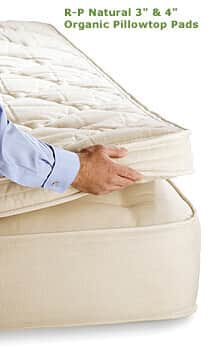
In a wool-filled topper, the filling is generally designed to add cushioning or a more substantial layer between the sleeper and the mattress. A wool-filled protector or pad may be thinner and primarily serve as a protective, comfortable layer. Some protectors use wool as a fill beneath a cotton cover; others rely on a different construction entirely. Checking the product’s materials and care instructions is more useful than assuming every item described as “wool bedding” will feel or function alike.
- Temperature feel: Wool may help moderate the sense of warmth, but the result depends on filling density, fabric, mattress materials, and room conditions.
- Moisture handling: Wool is often selected for its moisture-managing qualities, which may help a sleep surface feel more comfortable for some people.
- Surface softness: Quilted wool layers can add a gentle cushion, while thinner pads may preserve more of the mattress’s original feel.
- Care needs: Some wool products require airing or spot care; others are designed to be washed. Always follow the specific label rather than relying on a general rule.
These are qualities to consider, not medical claims. Wool does not prevent night sweats, treat a health condition, or ensure a particular level of sleep quality. If persistent overheating or disrupted sleep is a concern, consider the broader causes and seek appropriate professional guidance.
Toppers and protectors: two different jobs
The distinction between a topper and a protector is central to choosing bedding well. A topper is typically meant to change the feel of the bed. It may add cushioning, alter the surface’s resilience, or soften a mattress that feels too firm. A protector is mainly intended to shield the mattress from everyday wear, perspiration, and accidental spills. Some pads combine a degree of cushioning with protection, but they usually do not transform the bed as substantially as a thick topper.
A wool topper may suit someone who wants a more cushioned surface or a change in the bed’s temperature feel. Yet its added loft can affect how the mattress feels, and a substantial topper may not be ideal for someone who already finds the bed soft enough. It can also change fitted-sheet requirements. Before selecting one, consider mattress depth, the sheet’s pocket size, and whether the topper can remain securely in place.
A wool-filled mattress protector or pad is a more restrained option for sleepers who want a washable or replaceable layer above the mattress. Wool-filled designs vary, and not all are waterproof. If spill protection is essential, confirm that the specific protector is intended to provide it; natural fibers alone should not be assumed to create a waterproof barrier. A breathable pad can be a practical choice for routine surface protection, but it should match the household’s actual needs.
A quick distinction
Choose by purpose: look to a topper when you want to alter cushioning or surface feel; consider a protector when the priority is guarding the mattress from everyday exposure. If you want both, check whether a particular product is designed to provide both functions rather than assuming it does.
Matching wool bedding to your sleep temperature
Temperature preferences are personal, and they can shift with season, age, room conditions, and activity. A golfer who has spent a sunny afternoon walking the fairways may arrive home feeling warm, while a winter round or a breezy coastal course can leave another player craving extra insulation. It helps to think about the whole bed rather than judging one layer in isolation.
Start with the simplest factors. Is the bedroom comfortably cool? Are heavy blankets trapping too much heat? Does the mattress cover feel smooth and breathable? Are pajamas or sheets contributing to a humid, close sensation? Adjusting one element at a time can make it easier to identify what actually helps. A wool layer may be worth considering when the desired balance is a little more softness with a material often chosen for its relationship to warmth and moisture.
Warm sleepers may prefer a lighter wool fill, a breathable cover, and fewer insulating layers overall. People who tend to feel cold may appreciate the loft and added warmth of a more substantial quilted layer. Neither preference is inherently better. The useful question is whether the construction feels comfortable in the room and season where it will be used.
When possible, look for clear descriptions of fill amount, cover fabric, construction, and intended care. Product language such as “temperature regulating” is a broad description, not a promise that the bedding will hold a precise temperature. Read it alongside practical details and your own experience with similar materials.
Comfort and pressure relief are related, but not identical
A long round can leave the body tired, but a wool topper should not be viewed as a remedy for pain or a replacement for a mattress that provides suitable support. Added cushioning can change how pressure is distributed at the surface, yet the effect depends on the topper’s design and the sleeper’s body and position. A light wool pad, for instance, may feel different from a thick layer that includes another cushioning material.
If a mattress feels uncomfortable night after night, consider whether the issue is firmness, sagging, an unsuitable pillow, or the bed’s support foundation. A topper can sometimes make a surface more inviting, but it cannot correct every underlying problem. Persistent pain deserves individual assessment rather than a bedding-only solution.
For golfers, this distinction matters because post-round soreness can have many sources: exertion, an unfamiliar course, carrying equipment, or an existing physical issue. A comfortable bed can support a relaxing routine, but it does not diagnose or treat the cause of discomfort. Rest, appropriate recovery practices, and professional advice when needed remain more important than any single bedding material.
Consider the rest of the sleep setup
Wool-filled bedding works in conversation with the mattress, sheets, pillow, and room. A plush topper on an already soft mattress may create a surface that feels too yielding; a thinner pad may preserve the mattress’s support while adding a subtle layer. A pillow that keeps the head and neck comfortable also contributes to the sense of ease across the whole night. Fit and compatibility matter just as much as fiber choice.
Look at the details before adding a layer. Confirm the mattress size and depth, check whether the topper has straps or another method of staying in place, and make sure the fitted sheet can accommodate the combined height. For a wool pad, review whether the product can be aired, spot cleaned, or machine washed. A natural fill may require gentler maintenance than a standard synthetic layer.
People sensitive to wool should also consider the cover and construction. The wool may be enclosed in cotton or another fabric, but individual reactions vary. If a product description does not clearly explain what touches the skin, seek that information before choosing. A soft cover can reduce direct contact without guaranteeing suitability for everyone.
Caring for wool-filled bedding
Care is one of the most practical differences among wool products. Some are washable, while others are intended to be aired or spot cleaned. Washing an item against its instructions can cause shrinkage, distortion, or damage to the filling. Follow the care label and manufacturer’s directions, even when another wool product in the home has different requirements.
For everyday upkeep, a removable cover or mattress protector can help keep the main bedding layer cleaner. Airing a wool item according to its care guidance may help refresh it between deeper cleans. Address spills promptly using the method specified for the product, and allow any damp layer to dry fully before putting it back on the bed. Avoid direct heat or prolonged sunlight unless the instructions explicitly allow it.
Routine care is particularly useful for golfers who travel frequently or return from the course with dusty clothing and equipment. Keep golf shoes and outerwear out of the bedroom where practical, change after play, and let bedding remain clean and dry. These small habits help maintain a calm sleep space without demanding elaborate routines.
A wool topper to consider
For readers interested in a layered option, the washable wool-filled mattress topper is described as a cushioning layer with a sateen shell, corner straps, and a fill made with 85% NATIVA™ wool from Uruguay and 15% plant-based batting. Its stated care is a cold, gentle wash with like colors, followed by low tumble drying and prompt removal. Those details make it especially important to follow the product’s own instructions and confirm that its fit and care routine suit your mattress and household.
As with any topper, the best question is not whether it is ideal for every golfer, but whether its thickness, construction, and upkeep fit your needs. Consider whether you want a noticeable change in cushioning, whether the extra layer works with your sheets, and whether its care requirements are manageable. A carefully chosen bedding layer should make the bed feel more inviting without creating a new source of hassle.
Making travel sleep more comfortable
Golf trips often mean unfamiliar beds, different room temperatures, and early starts. A topper is not always practical to pack, but a few modest habits can make hotel or guest-room sleep feel less unpredictable. Bring familiar sleepwear, maintain a regular wind-down routine, and adjust the room temperature and bedding where possible. A compact pillow or a familiar pillowcase may help preserve a preferred feel without adding much luggage.
For longer stays, check in advance what bedding is available and whether the room allows simple adjustments. If you use a sleep accessory that is easy to carry, make sure it is clean, suitably sized, and comfortable for the travel bed. Avoid expecting a travel item to recreate your home setup exactly; the aim is a workable routine rather than a perfect replica.
Travel sleep is also influenced by timing. When rounds begin early, prepare clothes and equipment before bed so the evening is less rushed. Keep late-night planning to a minimum, and allow time to settle after an active day. These low-effort choices may matter more than packing an additional bedding layer.
How to decide whether wool is right for you
Before choosing wool-filled bedding, be clear about what you want to improve. Is the mattress too firm? Does the surface feel clammy? Are you looking for a little more cushioning, or simply a washable layer between you and the mattress? A specific goal helps narrow the options and reduces the chance of buying a product for a benefit it was not designed to provide.
- For a change in feel: compare topper thickness and materials, and consider whether the added cushioning might make the bed too soft.
- For mattress protection: check whether the product is a protector or pad and whether it offers the level of spill resistance you need.
- For temperature comfort: review the fill weight, cover fabric, and how the layer will work with your existing sheets and blankets.
- For easy maintenance: read the care directions first and choose a routine you can realistically follow.
- For travel: prioritize compact, familiar items and routines rather than assuming a full-size topper will be practical away from home.
It can also help to make one adjustment at a time. If you change the mattress topper, duvet, sheets, and room temperature all at once, you may not know which change made the biggest difference. A measured approach makes comfort preferences easier to understand.
The understated luxury of a better wind-down
There is a quiet pleasure in returning from the course, showering, changing into comfortable clothes, and finding a bed that feels ready for rest. Wool-filled bedding can contribute to that ritual through its texture, loft, and potential to help manage warmth and moisture. Its appeal is less about dramatic transformation than considered comfort: a layer selected to suit the sleeper, the mattress, and the season.
For golfers, the most useful approach is practical rather than prescriptive. Protect the mattress if that is your priority; choose a topper if you want to alter the bed’s feel; and pay attention to the details that determine whether wool bedding will work in your room. Pair it with a consistent evening routine and sensible post-round habits, while keeping expectations grounded. No fabric guarantees perfect sleep, but a thoughtful sleep environment can make settling in after a long day feel a little easier.
Frequently asked questions
Does wool bedding keep sleepers cool?
Wool is often chosen for its ability to help moderate warmth and moisture, but it does not cool every sleeper. The experience depends on the amount of fill, cover fabric, mattress, room temperature, and personal preference. A lighter layer may suit a warm sleeper better than a thick, heavily quilted topper.
Is a wool topper the same as a wool mattress protector?
No. A topper is generally intended to change surface cushioning or feel, while a protector’s primary purpose is to shield the mattress. Some pads combine these functions to a degree. Check the specific product construction and claims before deciding what it will do.
Can wool bedding help with recovery after golf?
It may contribute to a comfortable sleep environment, which is one part of a broader recovery routine. Wool bedding does not treat soreness or guarantee improved athletic performance. Hydration, adequate rest, and attention to persistent discomfort remain important.
Can wool-filled bedding be washed?
Some products are washable and others are not. Care varies by fill, fabric, and construction, so follow the label and product instructions. Do not assume that the care method for one wool item applies to another.
What should golfers look for when choosing a wool topper?
Consider the desired change in cushioning, fill and cover materials, mattress depth, sheet fit, how the topper stays in place, and care requirements. The best choice is the one that suits your temperature preference and bedroom routine rather than a product selected on material name alone.
A long day on the fairway deserves a comfortable landing. With realistic expectations and attention to construction, fit, and care, wool-filled bedding can be a considered part of a sleep setup designed around the golfer—not a shortcut, but a thoughtful layer in the nightly ritual of rest.