For golfers, sleep isn’t a luxury; it is a strategic performance lever. A world-class putt starts with a rested mind, a neutral spine, and a body that knows how to recover from a day on the course. As demand for high-quality, restorative sleep grows among athletes, natural latex mattresses have emerged as a compelling option. Their unique blend of buoyant support, responsive contouring, and breathable materials can offer a sleep environment that keeps core temperature in check, supports varying sleeping positions, and reduces pressure points after a full day of walking fairways or chasing a final round under bright sun.
Natural latex stands apart from other foam categories thanks to its elasticity and resilience. Dunlop and Talalay latex each bring distinct characteristics: Dunlop tends to be denser and more supportive, while Talalay offers a lighter, more buoyant feel with consistent cell structure. When blended or layered, these materials can tailor a mattress to a golfer’s preferred feel—whether you sleep on your side, back, or stomach, and whether you need firmer support for the shoulders or a softer surface for the hips.
The Golf Sleep Equation: Density, Bounce, and Cooling
The core variables in natural latex mattresses—density, firmness, and temperature regulation—play a critical role in how golfers recover overnight. Density affects pressure relief and support in specific body zones, which is essential for golfers who often experience tight hips, glutes, and shoulders after a long day. Denser core layers can offer robust support for heavier individuals or those who prefer a firmer feel, while softer upper layers can deliver pressure relief around joints that experience repetitive load during the swing or walk between holes.
Bounce, or the quick, responsive energy transfer within the latex, supports ease of movement in and out of bed and can facilitate a smoother transition to an interlude of night-time recovery. For golfers who shift positions frequently—turning from back to side during the night—the right bounce balance helps minimize disturbance to a sleeping partner and supports more consistent spinal alignment.
Cooling is non-negotiable on hot evenings after a day under the sun. Natural latex tends to have good airflow, particularly when combined with pin-core ventilation or open-cell structures. Layer configurations can be designed to maximize airflow near the torso while still providing contoured support for the shoulders and hips. For travel, this cooling benefit is especially valuable in hotel rooms where ambient temperatures are rarely perfect.
Why Latex Matters for Golfers: Position-Specific Support and Recovery Benefits
Golfers experience unique demands: prolonged standing or walking, repetitive rotational movement, and the need for rapid, focused recovery before the next round. A latex mattress can offer.
- Positional support: Latex’s adaptive properties can cradle sleeping positions without “sinking” excessively in the midsection, promoting even pressure distribution for backs, hips, and shoulders. This is particularly beneficial for side sleepers who spend the night with a knee and shoulder bearing weight.
- Responsive bounce: The mattress’s surface remains responsive to minor shifts, which helps quick repositioning—an advantage for athletes who wake briefly and then fall back asleep, preserving sleep continuity.
- Durability for travel: A latex core is resilient and long-wearing, making it a practical choice for travel beds or guest rooms in golf clubs, allowing golfers to maintain a consistent sleep surface across destinations.
- Temperature regulation: Natural latex’s breathability, combined with ventilation channels, helps sleepers stay cooler through the night—crucial for athletes who sweat after a round in warm climates or high-intensity training days.
Brand Landscape and Quick Evaluation Prompts
When evaluating natural latex mattresses, golfers should consider the following criteria to identify a mattress that aligns with sleep hygiene and recovery goals. Use these prompts alongside product features to guide your decision:
- Density tiers: Look for multi-layer constructions where the core density supports the body’s heavier regions, while top layers offer pressure relief where needed. Ask: What are the densities across the layers, and how do they map to my sleeping position and weight distribution?
- Layer customization: Some brands offer adjustable or customizable layer configurations (e.g., pillow-top overlays, detachable toppers). Consider whether you want customization for evolving sleep preferences or travel scenarios where a fixed configuration is preferred.
- Breathability and ventilation: Pin-core ventilation and open-cell structures improve airflow. In warmer climates or after long rounds, does the mattress maintain a cooler microclimate around the torso and hips?
- Allergen and material purity: For golfers who travel, a pure, non-toxic, and hypoallergenic latex can be a meaningful comfort factor. Verify certifications like GOTS, GOLS, or OEKO-TEX where applicable.
- Durability under travel use: If the mattress will be used in hotel rooms or club accommodations, consider edge support, edge durability, and how well the surface will hold up to frequent movement and potential hotel-cleaning cycles.
Product Spotlight: The Unity Pillowtop Latex Mattress as a Case Study
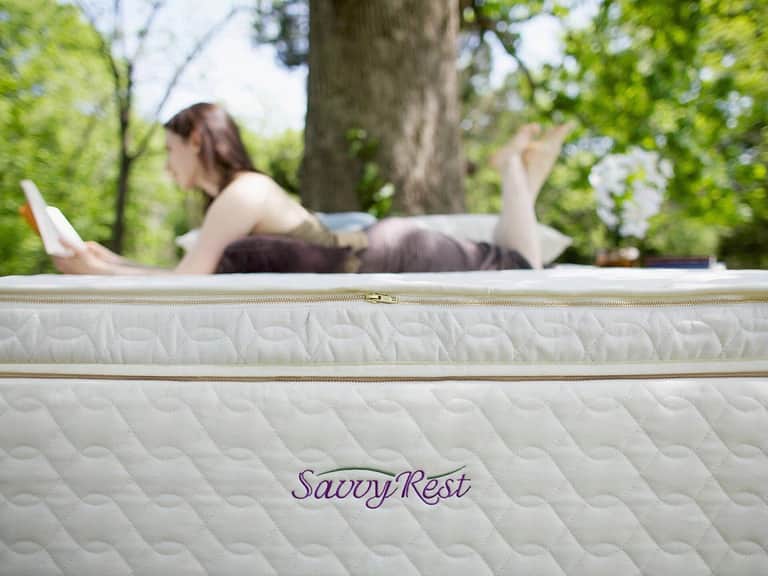
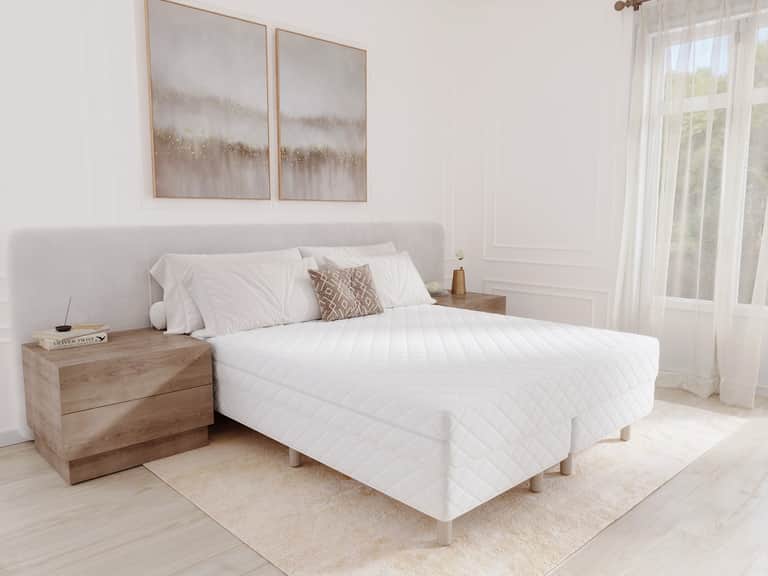
In the realm of latex mattresses, a standout option that resonates with golfers for comfort and adjustability is the Savvy Rest Unity Pillowtop Latex Mattress. This model is a plush, multi-layer latex composition featuring the Serenity layers with a Harmony topper on top, totaling 13 inches in height. Its standout attributes include a zippered outer casing made from 100% certified organic cotton, certified organic Dunlop latex, and a wool flame barrier—an all-in-one package that elevates the sleep experience for golfers who crave a luxe surface for post-round recovery.
Why this matters for golfers: the Unity Pillowtop’s four-layer construction offers tailor-made surface feel while maintaining robust support along the torso. The topper-layer customization can be advantageous for golfers who want to fine-tune surface softness in key contact zones—like shoulders and hips—without sacrificing midline support, which contributes to better spinal alignment. The 20-year warranty adds a sense of durability and long-term value—the kind of reliability golfers appreciate when they travel frequently or prepare for upcoming tournament seasons.
In the Room: How to Integrate a Latex Mattress into Golf Sleep Hygiene
Beyond the mattress itself, sleep hygiene rituals and environmental considerations are essential for golfers who want consistent rest on the road. Here are practical guidelines to optimize sleep quality with a latex mattress in a golf-travel context:
- Pre-round sleep preparation: Maintain a consistent bed-time window, establish a wind-down routine (stretching, light reading, breathwork), and avoid caffeine late in the day when preparing for travel across time zones.
- Sleep positioning and alignment: If you’re a side sleeper, ensure your shoulder and hip sink is balanced with upper-layer contouring. For back sleepers, you want a stable lumbar support that keeps the spine aligned without excessive pressure at the mid-back.
- Travel sleep hacks: Use a travel pillow with natural latex fill for neck support, a breathable sheet set to manage moisture, and a lightweight topper or a second pillow to tailor surface feel in a hotel bed.
- Hydration, nutrition, and circadian timing: Hydration supports thermoregulation, but avoid heavy meals right before bed. When crossing time zones, consider light exposure and strategic napping to align circadian rhythms with the new schedule.
Editor’s Picks: Three Key Figures Across Time Periods
Sleep science and the wellness movement have long been guided by voices who connect the dots between rest, performance, and daily life. Here are three key individuals from different eras whose ideas illuminate the conversation around restorative sleep for athletes, including golfers.
1) Paracelsus (1493–1541)
As a pioneer in early modern medicine, Paracelsus emphasized the interconnections between the body, environment, and health. His holistic approach to wellness laid groundwork for understanding how recovery and physiology intertwine. In the context of golf and sleep, the idea of aligning bodily processes with external conditions—temperature, rest patterns, and nourishment—echoes through modern sleep hygiene principles. Paracelsus would likely appreciate a sleep environment that respects the body’s rhythms and supports healing after physical exertion.
2) Florence Nightingale (1820–1910)
Legendary nurse and reformer, Nightingale championed sanitation, environmental design, and the role of external conditions in patient recovery. Her influence translates beautifully into the golf sleep conversation: a dark, cool, quiet, and clean sleep space can dramatically improve sleep quality and recovery. Her legacy invites us to design sleep environments—mattress, bedding, and room ambience—that eliminate sleep-disruptive factors and promote a restorative night’s rest after a demanding round.
3) Matthew Walker (born 1971)
A contemporary authority on sleep science, Walker’s research on circadian rhythms, sleep stages, and the health consequences of sleep deprivation provides a modern scientific backbone for golf-specific sleep content. His work informs practical guidance on sleep timing, hydration strategies, and hydration-nutrition interplay for sleep hygiene. When we discuss latex mattresses in the context of golf recovery, Walker’s insights reinforce the value of creating a sleeping environment that supports deep, continuous sleep and efficient recovery cycles.
Conclusion: The Natural Latex Advantage for Golfers
In a world where rest is a performance asset, natural latex mattresses offer a compelling blend of support, responsiveness, and cooling potential that aligns well with golf-specific recovery needs. The Unity Pillowtop Latex Mattress demonstrates how a layered latex approach can be customized to meet the contours of the golfer’s body, while a well-chosen latex core can help golfers maintain consistent spinal alignment and reduce overnight pressure points. The ultimate goal is to create a sleep ecosystem that supports wakefulness, mental focus, and energy restoration for the next day on the greens — a true victory that begins with a well-made mattress and a disciplined sleep hygiene routine.
Whether you are a weekend warrior chasing a personal best or a touring pro navigating time zones and hotel rooms, the right natural latex setup, paired with thoughtful sleep rituals, can turn rest into a tactical advantage. The journey to better golf sleep hygiene begins with informed choices about materials, firmness, and ventilation—and ends with the quiet confidence that you are ready to swing again, refreshed and recharged.
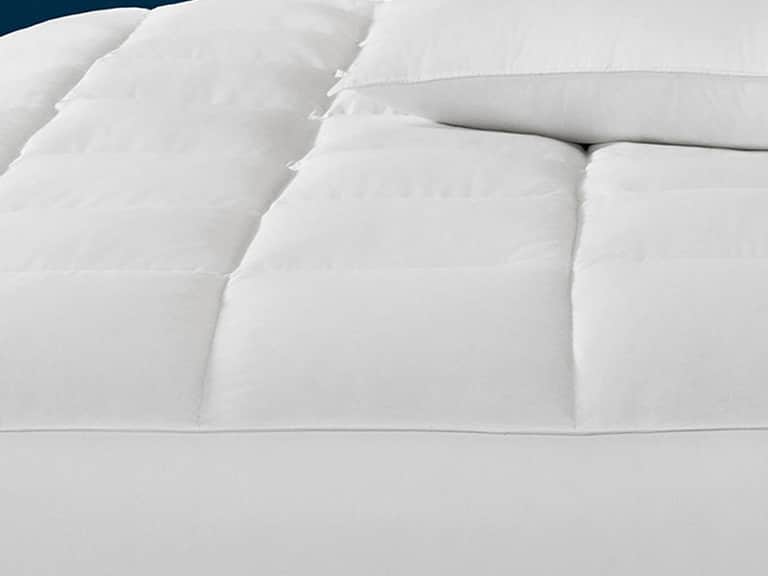
Note: The Unity Pillowtop Latex Mattress and Monmouth Mattress Pad are featured as illustrative product examples to demonstrate how latex-first comfort strategies translate into golf sleep recovery. Images of specific products may be displayed upon request.