 Mattresses
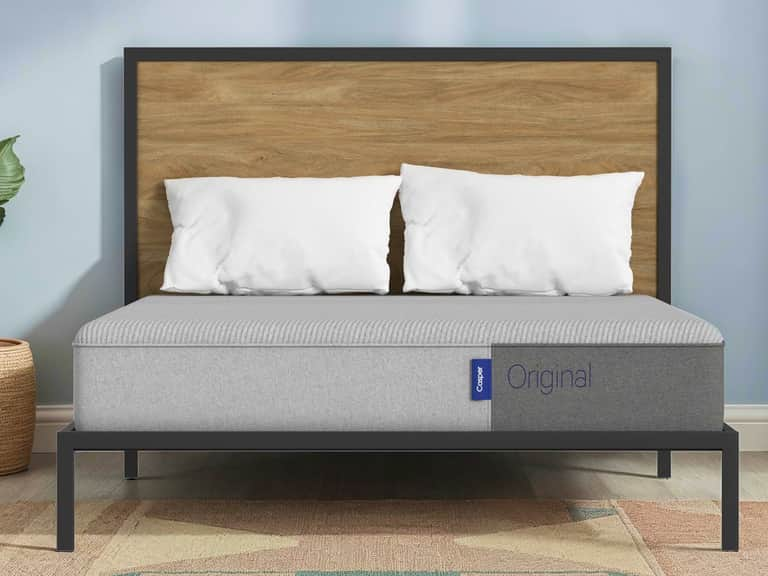
Original Mattress
Sleep cooler and cradled by responsive foam that hugs your curves, while three ergonomic zones keep your spine aligned for balanced, restful support from top to base.
Foam mattresses are crafted to provide targeted support and pressure relief, making them a popular choice for balanced comfort and durability. In this category, foam constructions emphasize contouring and motion isolation, which can benefit sleep quality by minimizing transfer and providing consistent spinal alignment throughout the night. Key materials often include polyurethane and memory foams with varying density to tailor support levels.
The Original Mattress typically features a dense, supportive core paired with a softer top layer to promote even weight distribution. This combination can help reduce wakeups caused by uncomfortable pressure points, while maintaining a stable surface for various sleeping positions. Foam formulations influence breathability and heat retention, which are important for long-term comfort.
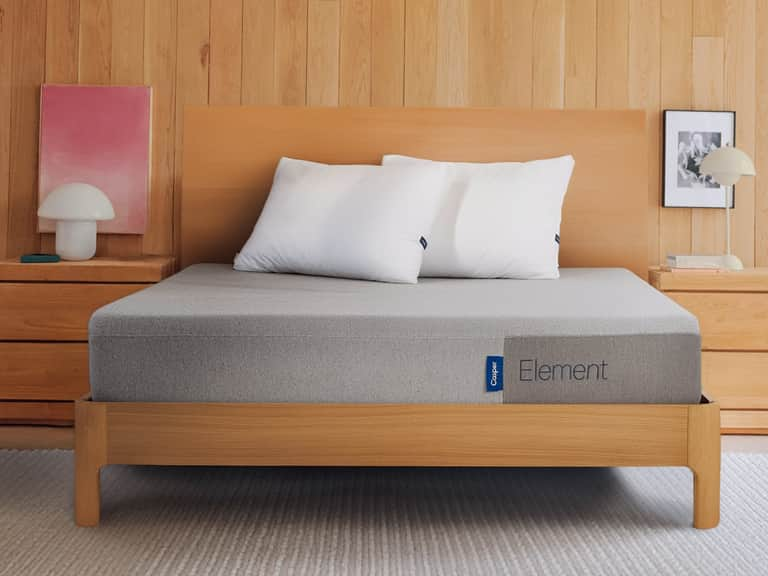
The Element Mattress emphasizes adaptive comfort through layered foam technologies designed to respond to body temperature and movement. By incorporating open-cell structures or transition foams, it can enhance airflow and regulate microclimates, supporting restful sleep. These design choices are relevant for customers seeking a balance between cushioning and support in a foam-based system.
Within the foam category, understanding density, resilience, and layering is essential for selecting a mattress that aligns with individual needs. Higher-density foams often offer greater support and durability, while softer top layers improve initial comfort. The right combination can address concerns such as back pressure, shoulder and hip alignment, and overall sleep stability.
Educational guidance on foam mattresses also covers maintenance and longevity, including cover materials, removable covers, and care routines that preserve foam structure. Keywords like bedding, pillows, sheets, organic mattresses, and latex are commonly associated with the broader sleep environment, helping users compare related options while focusing on foam-specific performance and usability.
Mattresses
 Mattresses